
Introduction
Efficient warehouse management is essential for businesses that want to reduce operating costs, speed up deliveries, and improve supply chain performance. Cross-docking is a logistics strategy that helps achieve these goals by minimizing how long products sit in storage. Instead of placing incoming goods in a warehouse for extended periods, businesses transfer them directly from receiving areas to outbound vehicles or designated shipping areas.
Understanding how cross-docking works can help businesses decide whether it suits their operational needs.
What Is Cross-Docking?
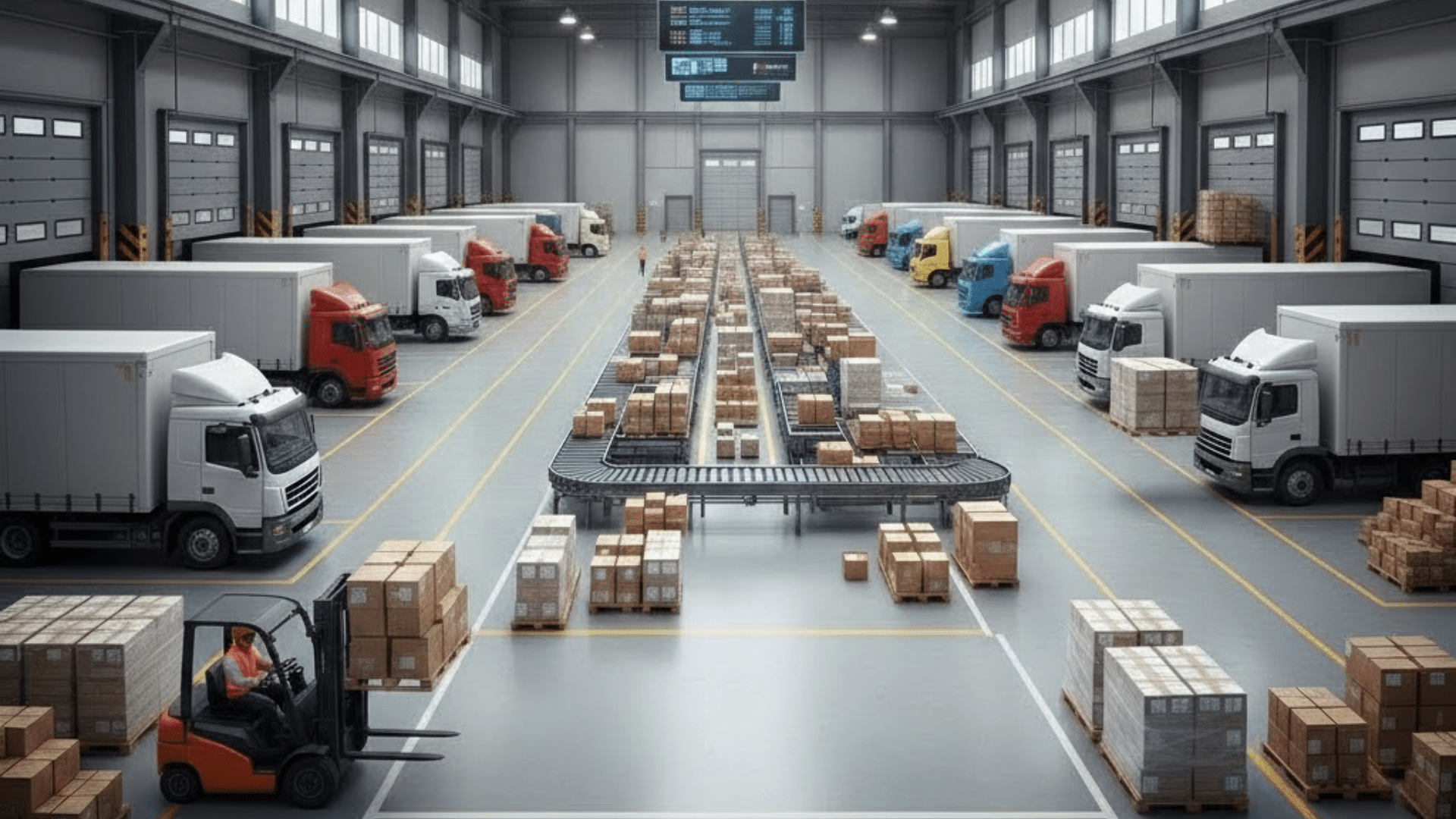
Cross-docking is a distribution process in which products received from suppliers are sorted, consolidated, and dispatched to customers, retailers, or other destinations with little or no long-term storage.
For example, a distributor receiving products from several suppliers may sort the goods by destination and combine them into outgoing shipments. This reduces the need to store each product separately before dispatch.
Cross-docking typically requires accurate inventory information, coordinated transportation schedules, and effective communication between suppliers, warehouse teams, and carriers.
How Does Cross-Docking Work?
Although procedures vary by industry, the process generally involves several key stages.
1. Receiving Goods:
Products arrive at a distribution facility from suppliers or manufacturing locations.
2. Sorting and Inspection:
Warehouse teams check shipments, verify product details, and organize goods according to their destinations.
3. Consolidation:
Products from different incoming shipments may be combined to create more efficient outbound orders.
4. Dispatch:
Goods are transferred to outgoing vehicles and delivered to retailers, customers, or other distribution centres.
Successful cross-docking depends on careful scheduling and accurate shipment information. Delays in incoming deliveries can disrupt outbound transportation and affect the entire operation.
When Should Businesses Use Cross-Docking?
Cross-docking can be particularly useful in situations where products move quickly through the supply chain.
1. High-Volume Distribution
Retailers and distributors handling large quantities of frequently ordered products may benefit from cross-docking. Moving goods directly to outbound shipments can reduce storage requirements and accelerate distribution.
2. Perishable Products
Businesses distributing fresh food, flowers, and other time-sensitive products can use cross-docking to minimize delays between receiving and delivery. Faster movement helps preserve freshness, although appropriate temperature controls and handling procedures remain essential.
3. Predictable Customer Demand
Cross-docking works well when businesses have reliable information about customer orders and delivery schedules. Predictable demand makes it easier to coordinate incoming shipments with outbound requirements.
4. Seasonal and Promotional Products
During major sales events or seasonal peaks, businesses may use cross-docking to move promotional products through distribution facilities quickly. This can reduce warehouse congestion and support timely deliveries.
Benefits of Cross-Docking
Businesses can gain several operational advantages from an effective cross-docking strategy.
1. Lower Storage Costs:
Reduced reliance on long-term storage can help decrease warehousing expenses.
2. Faster Order Fulfilment:
Products spend less time waiting in storage, potentially shortening delivery lead times.
3. Reduced Handling:
Fewer storage and retrieval activities can reduce labour requirements and the risk of handling damage.
4. Improved Inventory Flow:
Faster movement helps businesses distribute goods efficiently across multiple destinations.
Conclusion
Cross-docking can improve supply chain efficiency by reducing storage time, handling requirements, and delivery delays. It is particularly suitable for high-volume distribution, perishable goods, and predictable customer orders.
Before implementing this strategy, businesses should evaluate their product requirements, supplier reliability, technology systems, and transportation schedules to determine whether cross-docking can deliver measurable operational benefits.