


The series does not stay simple for long, even when it starts like a survival drama. People want action, but soon this becomes power struggles, moral choices, and choices that amount to the wrong side. The concept of reconstruction of a society is optimistic initially, but it continues to be untidy with each season. The characters have choices that seem correct at that time but create a greater issue in the future. It is not so much a clean story but a succession of survival decisions.
A quick look at how all seasons connect loosely
If someone wants the 100 summary of all seasons, they should think of it as one long conflict about survival and control. Season one focuses on teenagers sent to Earth, which sounds simple but becomes violent fast. Season two shifts toward Mount Weather and hidden experiments, adding a darker layer. Season three introduces artificial intelligence and belief systems clashing hard. Then things escalate into environmental collapse themes later, which sort of ties everything together without feeling neatly planned.
Why season four feels different from earlier ones
The tone in season four changes because the threat is not just human anymore. It becomes something bigger, harder to fight, and honestly less predictable. Radiation waves are coming, and nobody can really stop them properly. That urgency makes decisions feel rushed and sometimes careless. It also pushes characters into alliances they would not normally accept. You see less focus on politics and more on raw survival, which makes it tense but also chaotic in pacing.
The core idea behind the season four events is explained
Looking at the 100, season 4 summary, the main issue is the approaching nuclear meltdown across the planet. Reactors are failing, and radiation will wipe out most life again. Groups start searching for solutions like bunkers or space survival. There is constant pressure because time keeps running out, and no plan feels completely safe. Leaders argue, switch sides, and make harsh calls about who gets to survive. It feels uncomfortable because survival becomes selective rather than fair.
How characters handle pressure in messy ways
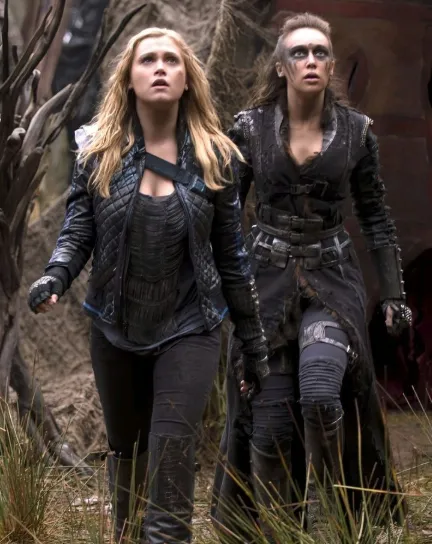
Nobody really handles stress in a perfect or logical way here. Clarke tries to lead but often ends up isolating herself from others. Bellamy shifts between emotional and practical decisions, which creates friction with his own group. Octavia grows into a stronger figure, though her choices are not always stable. These reactions feel uneven and sometimes frustrating, but that is what makes the show believable in a strange way. People do not stay consistent under extreme pressure.
Survival strategies that actually make sense
Some strategies shown in the series are surprisingly practical despite the drama. Securing an underground shelter becomes the most realistic option when radiation spreads. Managing limited resources like oxygen, food, and medicine gets constant attention. People also focus on controlling population size, which sounds harsh but fits the situation. Even though the show exaggerates conflict, the basic survival planning still reflects real-world emergency thinking in extreme conditions.
The role of technology and its limits
Technology plays a strange role because it helps, but also creates new problems. Artificial intelligence, advanced medical systems, and space stations all seem useful at first. Then they either fail or get misused by humans. In season four, technology cannot fully stop the radiation disaster, which forces people to rely on simpler solutions. This shift shows that advanced tools are not always reliable when systems start collapsing under pressure.
Conflicts between groups never really stop
The groups still resume their struggles even in the face of a global threat, and it is frustrating and realistic. As highlighted in the 100 season 4 summary, there is a lot of mistrust due to betrayals in the past. Alliances do not last long and usually collapse when there is even a small chance of surviving independently again. Leaders are preoccupied with the defense of their citizens, and as a result, this leads to recurrent confrontations. This trend goes on in all the seasons, and season four is no different in this respect. The external threat does not bring people to the same side as you would expect.
What makes season four important overall?
Season four is more of a turning point than a story on its own. It takes characters towards extremes and causes major choices that influence the future seasons. The concept of survival is modified by the concept of rebuilding society, or rather, maintaining life. It is also the one that creates new conditions and environments that determine what will follow. The subsequent flow of the story would be rather inappropriate without this season.
Things viewers often misunderstand about the show
Other people believe that the show is merely action or teenage drama, but this is not true after the first season. It is more on morality issues and trade-offs in survival. The other misconception is that there are obviously good and bad people, yet the majority of the characters are in between. This is particularly emphasized in season four since choices turn out to be ethically ambiguous. It is not necessarily doing the right thing and making the least harmful choice that can be made.
Conclusion
Viewing it as a whole, the series establishes a stratified story of Survive Town that changes path at any time it chooses. It is centered on human struggle and shifted to environmental danger and vice versa. The fourth season is unique, as it compels characters to make decisions that they cannot make or postpone. It deprives long-term planning and substitutes it with survival decisions. When it is compared to previous seasons, one will discover that the show is not about winning but surviving. That thought remains the same despite the fact that other things keep happening in unexpected ways.