

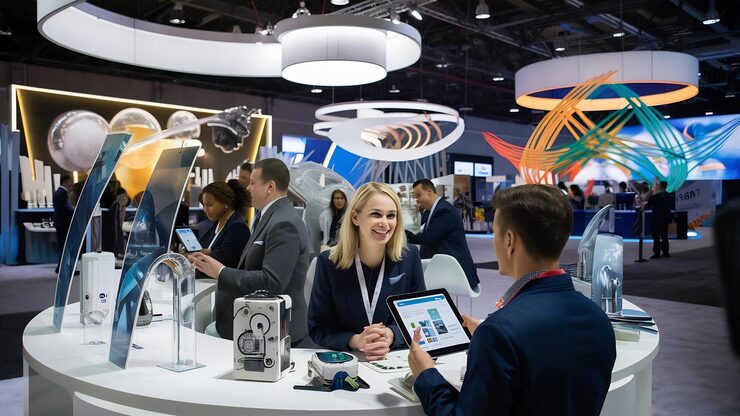
Hiring an Exhibition Stand Builder with regional experience can save time and budget because that professional already understands varying Exhibition stand design requirements from Brisbane to Perth, and Stands for exhibitions in different cities each have their own rigging rules, freight costs, and stylistic expectations.
Respect regional venues and cultures
Each city frames trade shows differently. Some markets welcome bold, theatrical structures, while others prefer restrained professionalism. Study the venue’s past events and note what worked well, then tailor your layout, lighting, and staffing to the tone of the region. Even simple gestures like using local imagery or referencing regional success stories make visitors feel seen.
Workshops with the local team before each show help you clarify those cultural nuances quickly.
Plan logistics well in advance
Regional shows often require longer lead times due to shipping distances. Lock in freight bookings early, secure storage near the venue, and confirm any local labour requirements before the build begins. If you send a temporary crate or modular pieces by road, account for the extra days in transit so the stand arrives with plenty of time for bump in.
Keep a running log of customs forms, permits, and vendor contacts so future regional tours become easier to coordinate.
Adapt modular components for different footprints
A flexible core stand can be adapted to 3m, 6m, or even 12m wide spaces. Use removable tower units or panels that can be added or removed depending on the show. This reduces the need to rebuild from scratch each time and keeps the creative system coherent. Keep a log of configurations so you can easily replicate a layout for a regional show with similar dimensions.
Maintain a visual reference chart that shows the configuration options and their typical square metre counts.
Train or hire local partners
If your permanent team cannot travel to every event, partner with local talent or venue-approved contractors. Provide them with the script, brand guide, and a clear chain of command. Having reliable contacts on the ground reduces last minute surprises and ensures the stand represents your brand consistently.
Document the partner onboarding so each region receives the same level of briefing and support.
Evaluate performance per region
Track KPIs for each location to understand where the stand performs best. Some regions might deliver higher quality leads, others may require different messaging. Use those insights when planning the next wave of shows so you focus efforts on the markets that drive the most value.
Combine regional data with broader market intelligence to align your event strategy with national growth plans.\n \n## Document regional playbooks\n\nRecord the specific layouts, suppliers, and logistical quirks for each region so you can assemble a playbook for future tours. Include photos, budgets, and contact lists so the next time you return to that market there is no guesswork. Sharing these playbooks with sales and marketing keeps everyone aligned on what to expect from the stand and how to speak to the experience.\n